

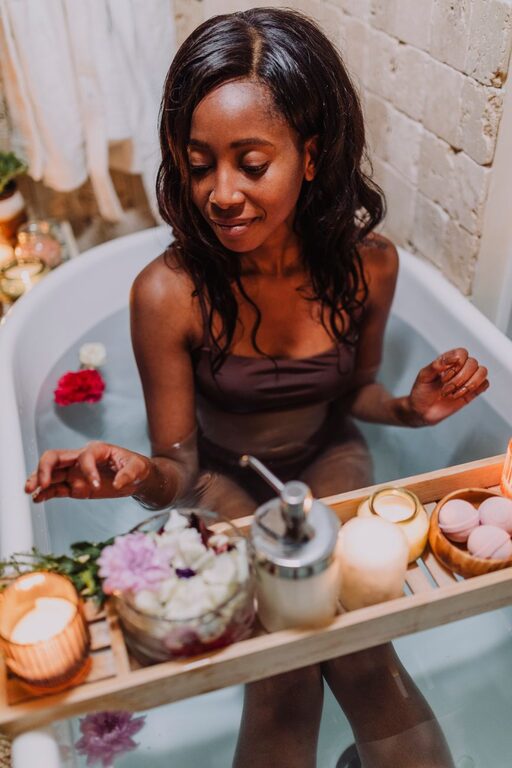
Taking time for self-care doesn’t have to mean expensive spa days or fancy products. You can create meaningful and effective self-care routines right at home without spending a lot. Focusing on your well-being through simple practices can reduce stress, boost your mood, and improve your overall health.
In this post, we’ll explore a variety of low-cost self-care ideas you can try today. Whether you want to relax after a long day, get moving, or cultivate mindfulness, these easy-to-implement activities can fit into any lifestyle.
Why Self-Care Matters
Self-care is about taking intentional steps to care for your physical, emotional, and mental health. It helps recharge your energy, build resilience, and maintain balance in your daily life. Prioritizing self-care—even small actions—can lead to better sleep, improved focus, and a more positive outlook.
The good news is that self-care doesn’t require expensive treatments or time-consuming routines. Many effective practices can be done at home with little or no cost.
Relaxing Activities to Unwind at Home
1. Create a DIY Spa Experience
You don’t need to visit a spa to feel pampered. Use everyday household items for a soothing self-care session:
– DIY Face Mask: Mix plain yogurt with a little honey and oatmeal for a gentle moisturizing mask.
– Warm Bath: Add Epsom salts or a few drops of your favorite essential oil to your bathwater.
– Foot Soak: Soak your feet in warm water with a sprinkle of baking soda to refresh tired feet.
Set the mood by dimming lights and playing calming music or nature sounds.
2. Practice Deep Breathing or Meditation
Taking just a few minutes to focus on your breath can lower stress levels and improve mental clarity. Try this simple technique:
– Find a quiet spot and sit comfortably.
– Inhale slowly through your nose for four counts.
– Hold your breath for four counts.
– Exhale gently through your mouth for six counts.
– Repeat for 5 to 10 minutes.
There are also free meditation apps or guided videos online that can assist beginners.
3. Enjoy a Digital Detox Hour
Step away from screens to reduce mental clutter. Use this time to read a book, journal, or simply relax with no digital distractions.
Affordable Physical Self-Care Ideas
1. Move Your Body at Home
Exercise is an important part of self-care. You don’t need a gym membership or equipment:
– Follow free online workout videos like yoga, Pilates, or cardio.
– Take a brisk walk outside around your neighborhood.
– Stretch gently when you wake up or before bed.
Regular movement improves mood and energy levels.
2. Prepare a Healthy, Homemade Meal
Cooking at home can be both nourishing and a creative outlet. Try:
– Simple recipes using fresh or frozen vegetables.
– Making smoothies with fruits and greens.
– Batch cooking to save time and eat healthily throughout the week.
Eating well supports your body and mind.
Mindful and Creative Self-Care Practices
1. Start a Gratitude Journal
Writing down things you’re grateful for each day can shift your mindset toward positivity. It takes just a few minutes and requires only a notebook and pen.
Tips to get started:
– List three things you appreciate each day.
– Reflect on positive moments or achievements.
– Review your entries weekly to boost your mood.
2. Explore Creative Hobbies
Engaging in creative activities helps express emotions and reduce stress. Some affordable options include:
– Drawing or coloring with inexpensive supplies.
– Crafting with recycled materials.
– Writing poems or stories.
Don’t worry about perfection—focus on enjoying the process.
3. Practice Mindful Breathing or Body Scan
Along with meditation, you can try a body scan to connect with physical sensations:
– Lie down comfortably.
– Slowly focus attention on each part of your body from head to toe.
– Notice any tension or relaxation without judgment.
This promotes relaxation and body awareness.
Creating a Self-Care Routine on a Budget
Building a self-care routine that fits into your budget and lifestyle means choosing activities you enjoy and can maintain regularly. Here are a few tips:
– Set realistic goals: Start with 10 minutes a day devoted to self-care.
– Schedule it: Put it on your calendar like any important appointment.
– Mix and match: Rotate different activities to keep things interesting.
– Use what you have: Household items and natural ingredients can often be repurposed for self-care.
– Connect with others: Sometimes self-care means reaching out to friends or family for support, which is free and meaningful.
Final Thoughts
Self-care is a personal journey, and the best routines are the ones that make you feel refreshed and balanced without causing stress or expense. By trying these low-cost ideas at home, you can nurture your well-being in practical and enjoyable ways. Start small, be consistent, and remember that caring for yourself is a vital part of living well.